
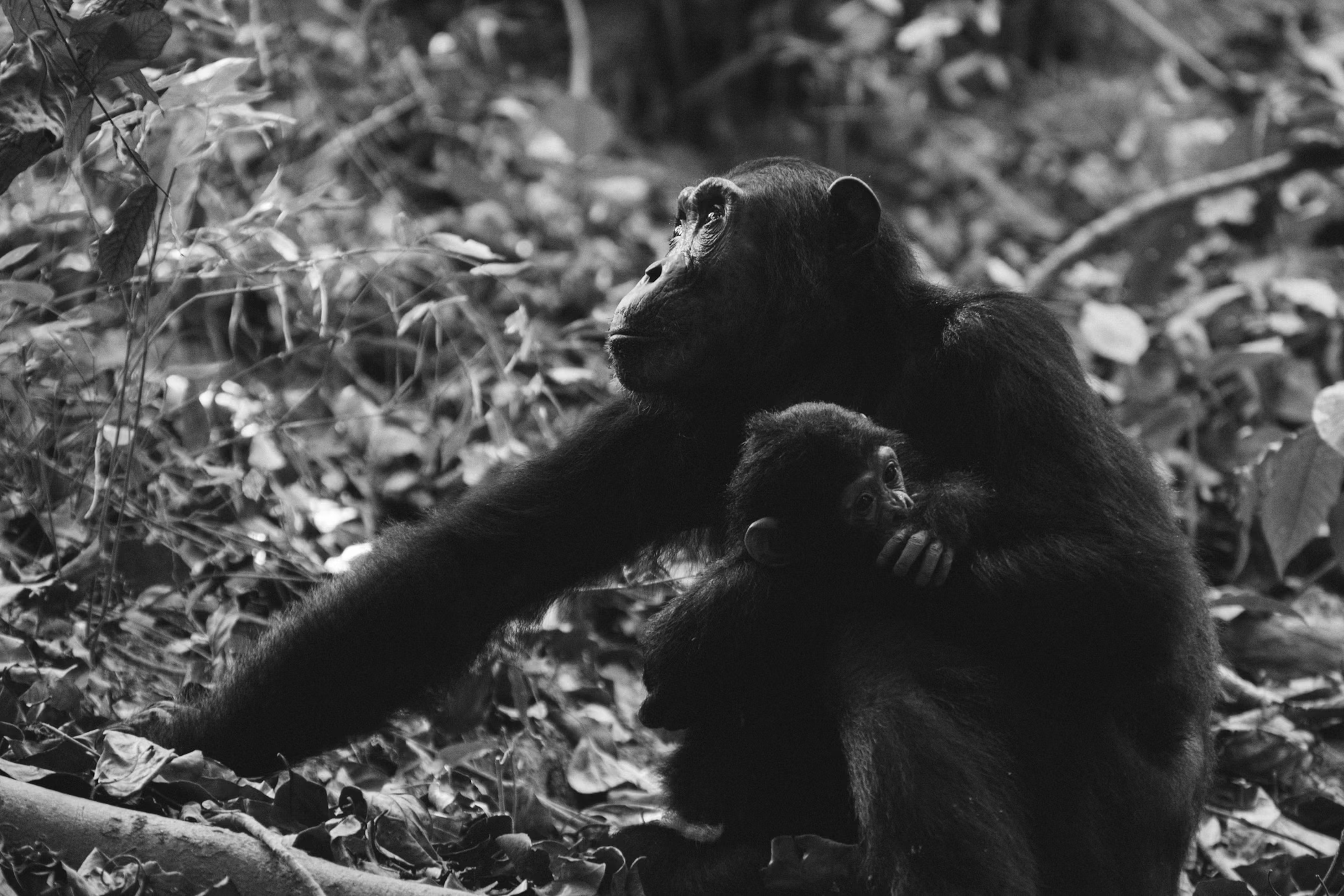
Inspired by What do you see #276
the world is not safe
shant let you out of my sight
my precious baby
want you to grow up
become strong and resilient
tell world to beware
Inspired by What do you see #276
the world is not safe
shant let you out of my sight
my precious baby
want you to grow up
become strong and resilient
tell world to beware
 I Write Her
A parent really needs to be emotionally sound/strong and knowledgeable about child-development science. I find there remains a naïve perception resulting in the perilous implementation of procreative ‘rights’ as though the potential parent will somehow, in blind anticipation, be innately inclined to sufficiently understand and appropriately nurture the child’s naturally developing bodies, minds and needs.
In Childhood Disrupted the author writes that “[even] well-meaning and loving parents can unintentionally do harm to a child if they are not well informed about human development” (pg.24).
Although society cannot prevent anyone from bearing children, not even the plainly incompetent and reckless procreator, it can educate all young people for the most important job ever, even those intending to remain childless. Rather than being about instilling ‘values’, such child-development science curriculum should be about understanding, not just information memorization. It may even end up mitigating some of the familial dysfunction seemingly increasingly prevalent in society.
If nothing else, such curriculum could offer students an idea/clue as to whether they’re emotionally suited for the immense responsibility and strains of parenthood. Given what is at stake, should they not at least be equipped with such important science-based knowledge?
Crucial knowledge like: Since it cannot fight or flight, a baby hearing loud noises nearby, such as that of quarrelling parents, can only “move into a third neurological state, known as a ‘freeze’ state. … This freeze state is a trauma state” (pg.123). And it’s the unpredictability of a stressor, rather than the intensity, that does the most harm. When the stressor “is completely predictable, even if it is more traumatic — such as giving a [laboratory] rat a regularly scheduled foot shock accompanied by a sharp, loud sound — the stress does not create these exact same [negative] brain changes” (pg. 42).
The prolonged absorption of such traumatic experiences will cause the brain to improperly develop. It can readily be the starting point towards a childhood, adolescence and adulthood in which the brain uncontrollably releases potentially damaging levels of inflammatory stress hormones and chemicals, even in non-stressful daily routines.
LikeLiked by 1 person
Interesting info, what book are you quoting?
LikeLike
Love the fierceness of motherhood, Susi. ❤️
LikeLiked by 1 person
A mother has to be! Thanks so much, Punam. <3
LikeLike
Beautifully done, Susi! – be healthy and strong (just like little Lily 😉🧡)
LikeLiked by 1 person
Thank you, Chris! Yes, try to at least! :)
LikeLiked by 1 person
The words of wisdom that mothers whisper to children are probably the toughest of all shields.
Beautifully written
LikeLiked by 1 person
<3 What a refreshing way to state that thought! Thank you! :)
LikeLiked by 1 person
So sweet and heartwarming Susi. Thanks for joining in.
LikeLiked by 1 person
Thank you! My pleasure, Sadje!
LikeLiked by 1 person
You’re very welcome 🥰
LikeLiked by 1 person
🖤
LikeLiked by 1 person
Thank you, M!
LikeLiked by 1 person
Been awhile Susi, but I am following uou again 😁
LikeLiked by 1 person
Thanks, Matt! :)
LikeLiked by 1 person
Apparently the first did not…
I said something to the effect that I cannot understand how anyone can not care about animals.
LikeLiked by 1 person
Same here! Animals, humans, who and whatever, if one is committed to offspring, I would HOPE that they always have the best interests of their offspring at hear! Thanks, Christine.
LikeLiked by 1 person
Did my comment come through?
LikeLiked by 1 person
It did, but remember that I have to approve them. Sometimes, it just depends on when I can get to them, so if you want to comment, just know it may take a bit!
LikeLiked by 1 person
Most of the time I can see this but lately it gives me a flat-out – “comment was not sent” or something to that effect.
LikeLiked by 1 person
Yeah, I think it’s another WP glitch, I’ve had that happen to me too recently.
LikeLiked by 1 person
A beautiful poem, she is trying to keep her baby safe.
LikeLiked by 1 person
That is a loving mother! Thank you, Diana.
LikeLiked by 1 person
🥰
LikeLiked by 1 person
You’re welcome!
LikeLiked by 1 person
🥰
LikeLiked by 1 person